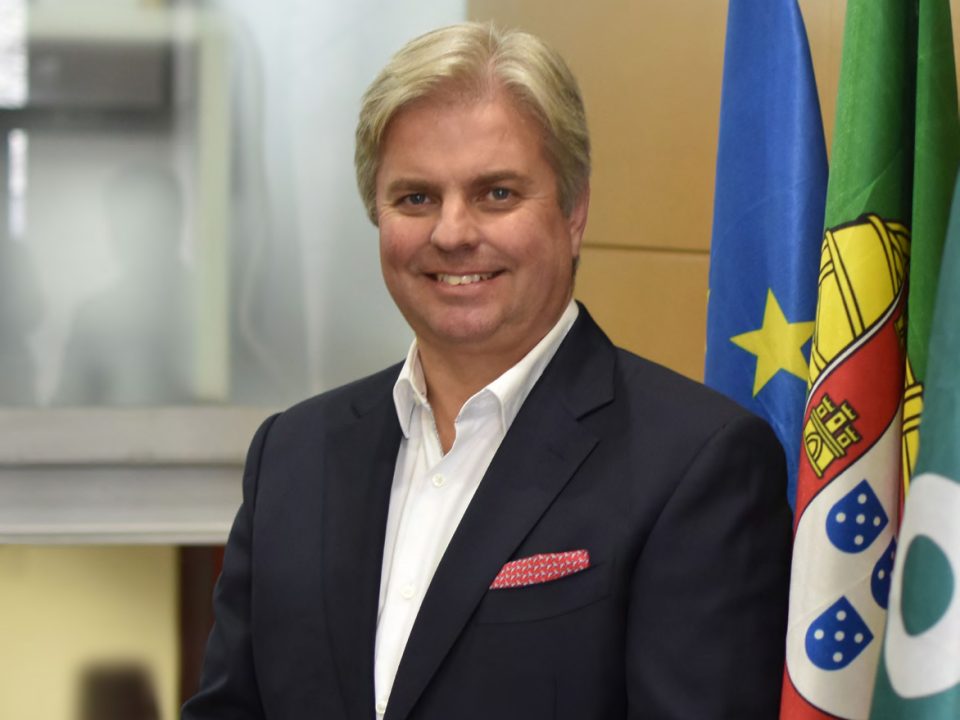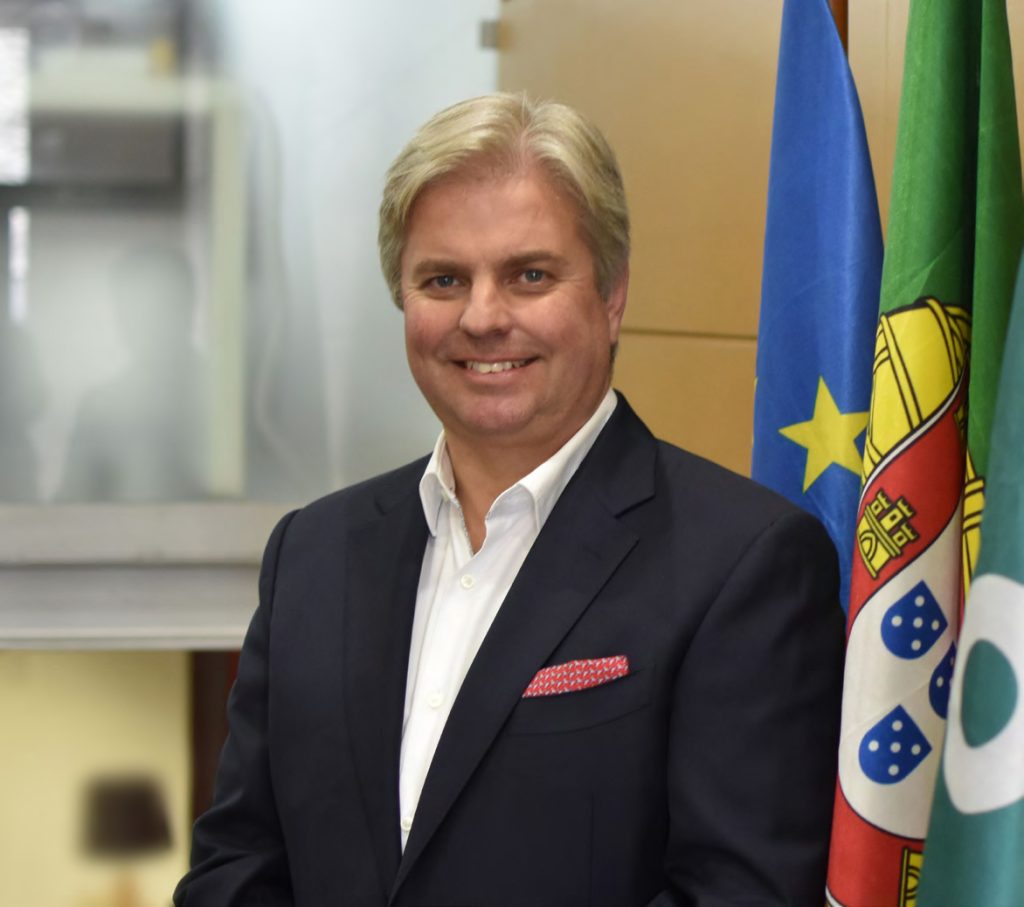



In a conversation marked by strategic vision and clarity of purpose, Bruno Valverde Cota, CEO of Optimistic, explains how the company he leads is redefining the way industry thinks, grows, innovates, and structures the future — always with a focus on sustainable results and real impact.
Your professional trajectory reveals a rare combination of entrepreneurial vision and deep technical rigor. Which key moments do you consider to have shaped your way of leading and innovating in the industrial sector?
My evolution as a leader has been shaped by three factors: discipline and rigor, international exposure, and the conviction that Portuguese professionals have the capability to compete at the highest level. Working in markets such as Eastern Europe, the Middle East, and Asia taught me that innovation is born where there is real pressure, sophisticated clients, and environments that demand faster thinking and more rigorous execution.
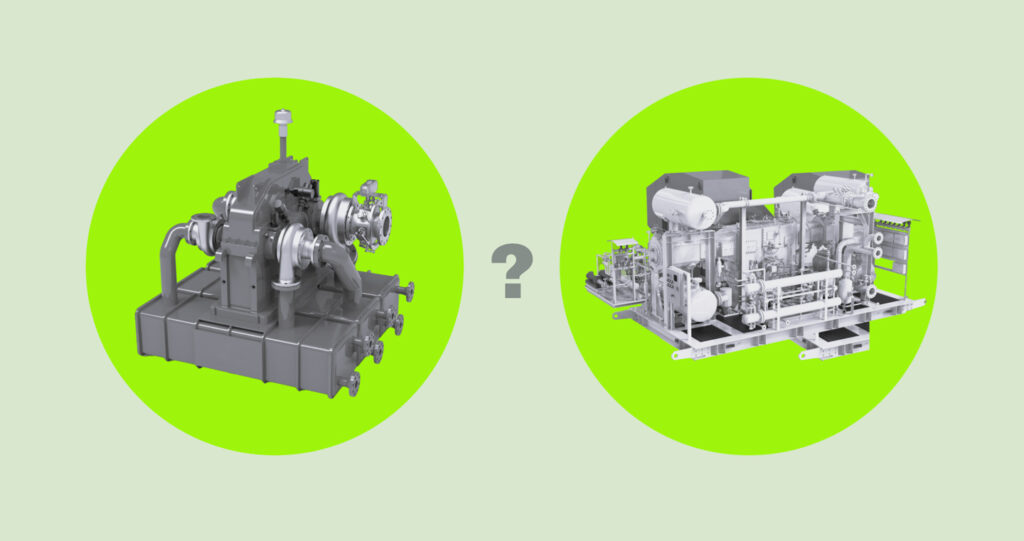
Decisive moments, such as our participation in Gastech 2025 in Milan, where we presented the new generation of compressors and strengthened structural alliances, or our presence at ADIPEC 2025, which consolidated our global positioning, reinforced a clear vision: industry is changing radically, and only those who combine advanced mechanical engineering, digital intelligence, and geoeconomic adaptability will thrive.
These milestones were not just events — they were confirmations that the path we chose is the right one: intelligent engineering, international presence, and a culture of excellence.
The name “Optimistic” conveys dynamism and confidence in a demanding global context. How does this philosophy reflect in the company’s internal culture and in your own approach to leadership?
The name “Optimistic” is not a slogan; it is a management and leadership philosophy. It represents the belief that technology can improve entire industries and that we can be protagonists in that transformation.
Internally, “Optimistic” means disciplined ambition, a constructive mindset, and a problem-solving culture — three elements that shape how we work every day.
It is also a leadership approach based on trust: trust in our team’s talent, in our ability to compete globally, and in the idea that every project is an opportunity to raise the standard of our engineering. Being the only Iberian manufacturer of rotary equipment at ADIPEC, the world’s largest energy event, is a direct reflection of that attitude. We do not merely follow trends — we seek to define them.
Intelligent engineering has become a distinctive hallmark of your work. What were the main challenges in creating solutions that combine mechanical precision and digital intelligence?
The greatest challenge was transforming traditionally robust machines into intelligent systems capable of interpreting, learning, and anticipating. This required breaking away from decades of industrial thinking based solely on mechanics.
To create turbomachinery that “thinks,” it was necessary to combine three worlds that rarely coexisted: mechanical engineering, instrumentation, and advanced software. The integration of smart sensors, IoT platforms, digital twins, predictive analytics, and autonomous monitoring systems demanded a new product architecture and a new way of working.
But the real challenge was cultural: teaching industry that a compressor or a fan can and should be a living platform — one that communicates, optimizes, and continuously reduces operational costs. Today, this is no longer the future; it is the present of the intelligent engineering we develop at Optimistic.
The energy transition is now a cross-cutting requirement across industries. How does Bruno Valverde Cota’s business vision intersect with Optimistic’s commitment to accelerating this process sustainably?
The energy transition is an industrial process, not merely an environmental one. And in this context, our engineering plays a central role: helping critical industries consume less energy, reduce emissions, and operate more reliably.
I have always defended the idea that the transition will not be achieved solely through new energy sources, but primarily through optimizing what already exists. Our systems — from hydrogen compressors to industrial ventilation for extreme environments, and solutions for CCS (Carbon Capture and Storage) — were designed precisely for that purpose: reducing consumption, preventing downtime, extending equipment lifecycle, and eliminating energy waste.
Digital twins, real-time monitoring, and predictive maintenance are now essential tools for making efficiency a measurable reality. Portuguese industry must lead with intelligence and responsibility, adopting Industry 4.0 principles to make energy efficiency a concrete and sustainable reality.
In a sector traditionally dominated by large multinationals, Optimistic has managed to establish itself globally in just a few years. Which strategies were decisive for this growth and international recognition?
The key has always been the combination of three pillars:
- Streamlined processes — our model allows us to move from design to manufacturing with greater speed and flexibility, without compromising the technical rigor demanded by the most demanding markets.
- A clear international strategy — initially focused on regions where our expertise would generate greater impact, such as the Middle East and Eastern Europe, where we built a solid reputation. This positioning now allows us to expand confidently into new markets. We have also maintained a consistent presence at major global industry stages — Gastech in the gas sector and ADIPEC in the energy sector — where we continue to position our engineering as a global reference in rotary equipment.
- Strategic partnerships — such as our collaboration with Knox Western, which accelerated access to new markets and strengthened our technological positioning.
In a sector dominated by global giants, we differentiated ourselves by being fast, flexible, technically rigorous, and deeply customer-focused. Instead of simply selling machines, we deliver intelligent, integrated systems focused on performance. This combination allowed us to grow faster than would be expected for a Portuguese company in such a specialized segment.
Digitalization is redefining industrial models. What personal impact does witnessing this transformation — and being one of its main drivers — have on you as a leader?
For me, witnessing this transformation is seeing engineering reborn in a new form. For a long time, machines were closed entities: they operated, broke down, and were repaired. Today, they are intelligent systems that communicate, learn, and actively contribute to the client’s results.
As a leader, seeing this fusion between mechanics, data, and digital technology is profoundly inspiring. It allows us to bring engineering into a more human dimension: preventing accidents, reducing consumption, increasing safety, creating reliability, and improving the lives of the teams who depend on these systems every day.
I believe we are living through one of the most exciting periods in industrial history. And being able to do so from Portugal, with technology developed by Portuguese engineers, is personally very rewarding.
Entrepreneurship in Portugal within heavy engineering remains a challenge. What factors do you consider essential to strengthen the national ecosystem of technological and industrial innovation?
Portugal has talent, creativity, and resilience. What it lacks is a more ambitious industrial architecture focused on technological exports. To strengthen the sector, I consider three priorities essential:
Stimulating technical talent through strong applied engineering programs, advanced laboratories, and real industry integration.
Bringing industry, universities, and research centers closer together, not only in theory but through concrete, scalable, and economically relevant projects.
Creating public policies that support industrial innovation, especially in certifications, testing, international trade fairs, and access to technological value chains.
Portugal can position itself as a relevant European player — and Optimistic is proof of that — by genuinely investing in heavy engineering, robotics, and industrial digitalization.
Beyond business success, what inspires you most on this journey? Is there a personal motivation, a greater purpose, that drives you to continue challenging limits and reinventing the future of engineering?
Yes, there is a very clear purpose: to demonstrate that Portugal is not merely a user of technology — it is a creator.
What inspires me is building a company that elevates Portuguese know-how onto the global stage, that opens doors for the next generation of engineers, and that contributes to cleaner, more efficient, and more intelligent industries.
Optimistic is not just a business project; it is a movement. It represents the ambition to transform rotary equipment into an intelligent, sustainable ecosystem adapted to the real needs of the world.
My purpose is simple: to leave a human and technological legacy that proves that when we believe in national talent, there are no industrial or geographical limits.
https://revistabusinessportugal.pt/estrategia-inovacao-e-crescimento/